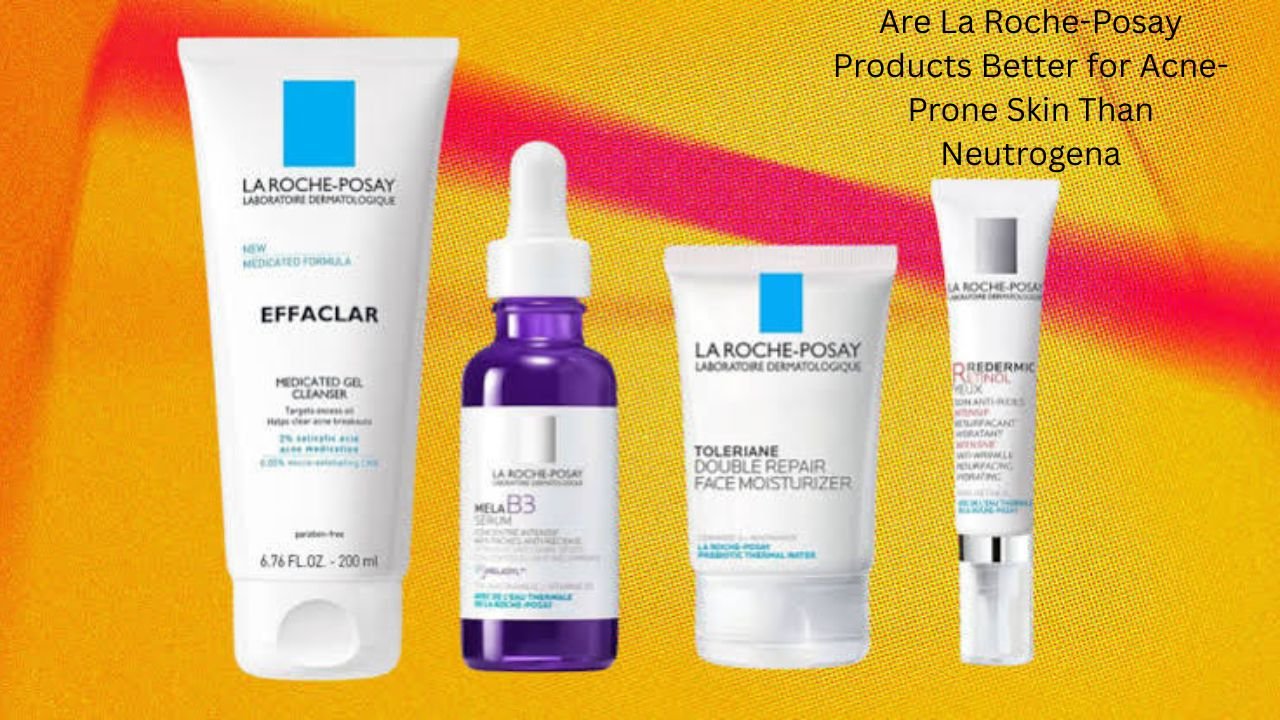
Choosing between La Roche-Posay and Neutrogena can be confusing when you have acne-prone skin, frequent breakouts, and a limited college budget. Both skincare brands offer acne cleansers, moisturizers, and treatments, but their approaches to sensitive skin, excess oil, clogged pores, and skin barrier support are different. So, which one actually deserves your money?
In this La Roche-Posay vs Neutrogena comparison, we’ll look at acne treatment, active ingredients, oily and sensitive skin, irritation, everyday use, and affordability. Whether you want gentler skincare or effective, budget-friendly acne products, this comparison will help you choose the brand that better matches your skin type and skincare goals.
La Roche-Posay vs Neutrogena: Quick Comparison
Both brands offer skincare products for acne-prone skin, but their individual formulations serve different needs. This comparison highlights their general strengths rather than suggesting every product from either brand delivers identical results.
| Feature | La Roche-Posay | Neutrogena |
| Acne care | Dedicated acne range | Dedicated acne range |
| Sensitive skin | Several suitable options | Depends on formulation |
| Oily skin | Effaclar range | Oil-control options |
| Skin barrier | Strong product focus | Depends on product |
| Price | Generally higher | Generally lower |
| Beginners | Suitable options | Suitable options |
| Availability | Widely available | Widely available |
| Product selection | Cleansers, treatments, moisturizers | Cleansers, treatments, moisturizers |
La Roche-Posay may appeal to people who experience sensitivity alongside breakouts. Neutrogena, meanwhile, offers practical choices for shoppers looking for affordable acne treatments and products targeting excess oil.
What Makes La Roche-Posay Different From Neutrogena?
The main difference comes down to product selection and formulation priorities. La Roche-Posay has a strong focus on sensitive skin and barrier-friendly skincare, while Neutrogena offers a broad range of everyday products addressing acne, oiliness, dryness, and other concerns.
Neither brand focuses exclusively on one skin type. Both offer different cleansers, moisturizers, and treatments. Therefore, comparing specific ingredients and formulations provides a more useful answer than assuming one brand is always better.
La Roche-Posay’s Approach to Acne Care
La Roche-Posay is a French skincare brand known for products targeting different skin concerns, including sensitivity and acne. Its Effaclar range includes cleansers and treatments designed for oily, blemish-prone skin.
Depending on the formulation, products may contain ingredients such as salicylic acid or niacinamide. These ingredients serve different purposes, including exfoliation and supporting the skin’s moisture barrier. This makes the range worth considering when acne treatments and skin comfort are equally important.
Neutrogena’s Approach to Acne Treatment
Neutrogena is an American skincare brand with products covering acne, cleansing, moisturizing, and oil control. Its acne range includes formulations containing ingredients such as salicylic acid and benzoyl peroxide.
These ingredients work differently. Salicylic acid helps exfoliate inside pores, while benzoyl peroxide targets acne-causing bacteria and helps reduce inflammatory breakouts. As a result, Neutrogena provides several options for people seeking targeted acne treatments at accessible prices.
La Roche-Posay vs Neutrogena for Acne-Prone Skin: Which Works Better?
Both brands can help manage acne, but the better option depends on the type of breakouts and your skin’s tolerance. La Roche-Posay offers products combining acne-focused ingredients with formulations intended to support comfortable everyday skincare.
Neutrogena also provides established acne-fighting ingredients. Its salicylic acid and benzoyl peroxide products can help address clogged pores and inflammatory acne. Nevertheless, the concentration, formulation, and frequency of application matter more than the brand name alone.
Consider what happens after using an acne treatment. If your face becomes tight, flaky, or uncomfortable, your routine may be too harsh. A suitable cleanser and moisturizer can help maintain hydration while you treat breakouts.
For people experiencing sensitivity alongside acne, La Roche-Posay offers several products worth considering. Those who tolerate stronger acne treatments and want affordable options may find Neutrogena more practical.
La Roche-Posay vs Neutrogena for Sensitive Acne-Prone Skin
Sensitive skin needs careful treatment because acne products can cause dryness, redness, stinging, or peeling. Using multiple exfoliating products together may increase irritation and make an otherwise manageable skincare routine uncomfortable.
La Roche-Posay offers several formulations developed for sensitive skin. Its Toleriane range includes products for cleansing and moisturizing, while Effaclar provides options specifically targeting oily and blemish-prone skin.
Neutrogena also has gentle cleansers and moisturizers, although certain acne treatments may feel drying. For example, benzoyl peroxide can cause irritation, particularly when someone starts with frequent applications or uses other irritating products simultaneously.
Check the complete ingredient list before purchasing. Fragrance, exfoliating acids, cleansing strength, and active ingredient concentrations can all influence how your skin responds.
For sensitive acne-prone skin, La Roche-Posay may offer a more suitable selection. However, individual products from Neutrogena can also work well when their formulations match your skin’s needs.
La Roche-Posay vs Neutrogena for Oily and Acne-Prone Skin
Excess sebum can combine with dead skin cells and contribute to clogged pores. This can increase the likelihood of blackheads, whiteheads, and inflammatory breakouts, particularly when oily skin already struggles with acne.
Neutrogena offers several products targeting excess oil and blemishes. Its salicylic acid cleansers and acne treatments may help remove accumulated oil and address clogged pores when used according to product instructions.
La Roche-Posay also offers products for oily and blemish-prone skin through its Effaclar range. These formulations address concerns such as excess sebum, visible pores, and breakouts while offering options for people who also experience sensitivity.
Your decision should depend on whether oiliness is your main concern or whether irritation accompanies it. Both brands have relevant products, so comparing individual formulations is more useful than choosing based on reputation.
Benefits of Both Brands for Oily Skin
Both brands offer products that can fit into an oily-skin routine. A suitable cleanser removes excess oil, while a lightweight moisturizer helps maintain hydration without making your routine unnecessarily complicated.
Neutrogena may appeal to students looking for affordable oil-control products. La Roche-Posay offers alternatives through Effaclar for people who want to address oiliness alongside blemishes and skin sensitivity.
La Roche-Posay vs Neutrogena: Which Brand Shows Faster Acne Results?
Visible acne improvement takes time, so choosing a product based on promises of overnight results can lead to disappointment. Different active ingredients address different acne concerns, and their effectiveness depends on the formulation and how consistently you use them.
Neutrogena products containing benzoyl peroxide or salicylic acid can provide targeted acne treatment. However, a stronger concentration does not automatically mean faster or better results. Excessive application can cause dryness and irritation, making treatment harder to maintain.
La Roche-Posay also offers acne products containing active ingredients. Its Effaclar range includes options for blemishes and clogged pores, although results depend on the specific formulation rather than the brand alone.
Give a new acne treatment enough time to work. Many acne treatments require around six to eight weeks before meaningful improvement becomes apparent, although individual results vary. Introduce one active treatment at a time and follow its instructions.
La Roche-Posay vs Neutrogena: Which Is Better for Everyday Skincare?
An everyday skincare routine should control breakouts without creating additional skin problems. Products that repeatedly cause peeling, tightness, or discomfort can make consistency difficult, even when they contain useful acne-fighting ingredients.
La Roche-Posay offers cleansers, moisturizers, and targeted treatments that can suit different daily routines. Its product selection makes it worth considering when hydration and skin barrier support are important alongside acne management.
Neutrogena also provides everyday skincare essentials, including facial cleansers and moisturizers. Its accessible pricing can help students maintain a consistent routine without spending heavily on every product.
A basic routine usually includes a gentle cleanser, moisturizer, sunscreen, and an appropriate acne treatment. Avoid excessive washing and unnecessary exfoliation. If your skin becomes irritated, reconsider the strength and frequency of your active products.
La Roche-Posay vs Neutrogena: Which Is More Affordable for College Students?
Budget matters when skincare becomes part of your monthly expenses. Students often need products that address breakouts without requiring several expensive purchases or frequent replacements.
Neutrogena generally offers more affordable options across its skincare range. Its products are commonly sold through pharmacies, supermarkets, and online retailers, making them practical for people who want accessible everyday acne care.
La Roche-Posay usually falls into a higher price category. Its cleansers, moisturizers, and specialized treatments may cost more than comparable everyday products from Neutrogena, depending on the retailer and product size.
However, a higher price does not automatically mean better results. A more expensive moisturizer may be worthwhile if your skin tolerates it well, but an affordable alternative can be equally practical when its formulation meets your needs.
Compare ingredient lists, product sizes, and recommended usage before purchasing. Spending money on several unnecessary acne treatments will not automatically improve your skin. A simple routine with suitable products may be a better investment.
La Roche-Posay vs Neutrogena: Pros and Cons
Both brands have useful products, but neither offers a perfect solution for every acne concern. Their advantages and disadvantages become clearer when you consider formulation, skin compatibility, price, and product selection.
Advantages of La Roche-Posay
La Roche-Posay offers several options for people who experience acne alongside sensitive or easily irritated skin. Its product ranges include cleansers, moisturizers, and targeted treatments.
Its main strengths include:
- Several options for sensitive skin.
- Products supporting skin barrier health.
- Dedicated Effaclar acne formulations.
- Moisturizing products for daily routines.
- Options targeting oiliness and blemishes.
Disadvantages of La Roche-Posay
The main disadvantage for college students is its generally higher price. Some products may also be less accessible in smaller stores, depending on the country and retailer.
Additionally, not every formulation suits every person. Certain acne treatments can still cause dryness or irritation, particularly when combined with other active ingredients.
Advantages of Neutrogena
Neutrogena stands out for its accessible pricing and broad selection of skincare products. Students can find cleansers, moisturizers, and acne treatments for different concerns.
Its main advantages include:
- Generally affordable skincare options.
- Wide retail availability.
- Salicylic acid and benzoyl peroxide treatments.
- Products targeting excess oil.
- Options for beginners and everyday skincare.
Disadvantages of Neutrogena
Some Neutrogena acne treatments can cause dryness, redness, or peeling, particularly when applied too frequently. Stronger formulations may require gradual introduction.
Furthermore, not every product is suitable for sensitive skin. Checking active ingredients and following product instructions remain important when building an acne routine.
La Roche-Posay vs Neutrogena: Which Should College Students Choose?
The right choice depends on your skin type, budget, and tolerance for acne treatments. Students experiencing frequent irritation may prefer La Roche-Posay, particularly when hydration and skin barrier support are priorities.
Neutrogena may be more practical when affordability and oil control matter most. Its accessible product selection allows students to build a basic acne-focused routine without spending as much.
You can also combine products from both brands when their ingredients are compatible. For example, someone might use a gentle Neutrogena cleanser alongside a La Roche-Posay moisturizer.
However, avoid combining several strong acne treatments without understanding their ingredients. Start with one active treatment, introduce products gradually, and monitor your skin before making additional changes. Seek professional advice if breakouts are severe or persistent.
Final Thought
La Roche-Posay may be better for sensitive acne-prone skin because many products emphasize gentle care and skin barrier support. Neutrogena remains a strong alternative for affordable acne treatment and oil control.
Neither brand guarantees better results for everyone. Your skin type, active ingredients, product formulation, and budget should guide your decision. Compare individual products before purchasing, introduce treatments gradually, and maintain a consistent skincare routine. If acne is painful, severe, or leaving scars, consult a dermatologist for appropriate treatment rather than relying entirely on over-the-counter skincare products.
Frequently Asked Questions
Is La Roche-Posay better than Neutrogena for acne?
La Roche-Posay may be better for people with sensitive, acne-prone skin because it offers gentle formulations and barrier-supporting products. Neutrogena provides affordable acne treatments containing ingredients such as salicylic acid and benzoyl peroxide. The better choice depends on your skin type, product selection, and tolerance.
Which brand is better for sensitive acne-prone skin?
La Roche-Posay offers several products designed for sensitive skin, including options in its Toleriane and Effaclar ranges. These products may suit people who experience irritation alongside acne. However, individual ingredients matter, so check product formulations and introduce new treatments gradually to avoid unnecessary skin irritation.
Is Neutrogena a good choice for college students?
Yes, Neutrogena is a practical choice for college students because it offers relatively affordable cleansers, moisturizers, and acne treatments. Its products are widely available through pharmacies and retailers. Students can build a basic skincare routine without necessarily spending as much as they might on premium skincare brands.
Which brand works better for oily acne-prone skin?
Neutrogena offers several products targeting excess oil, clogged pores, and acne. Its salicylic acid cleansers can help manage pore congestion. However, La Roche-Posay also offers oily-skin products through its Effaclar range. Your choice should depend on your skin’s sensitivity and the specific formulation.
Can I use La Roche-Posay and Neutrogena products together?
Yes, you can combine products from both brands if their ingredients and formulations are compatible. For example, you might use a gentle cleanser from Neutrogena with a La Roche-Posay moisturizer. Avoid combining multiple strong acne treatments without checking their active ingredients and potential irritation risks.
Meta description
Compare La Roche-Posay vs Neutrogena for acne-prone skin. See which is better for sensitive skin, oily skin, results, and student budgets.

I’m Asma, founder of namessaaga.com, passionate about helping brands and startups discover unique, creative, and memorable names that stand out.