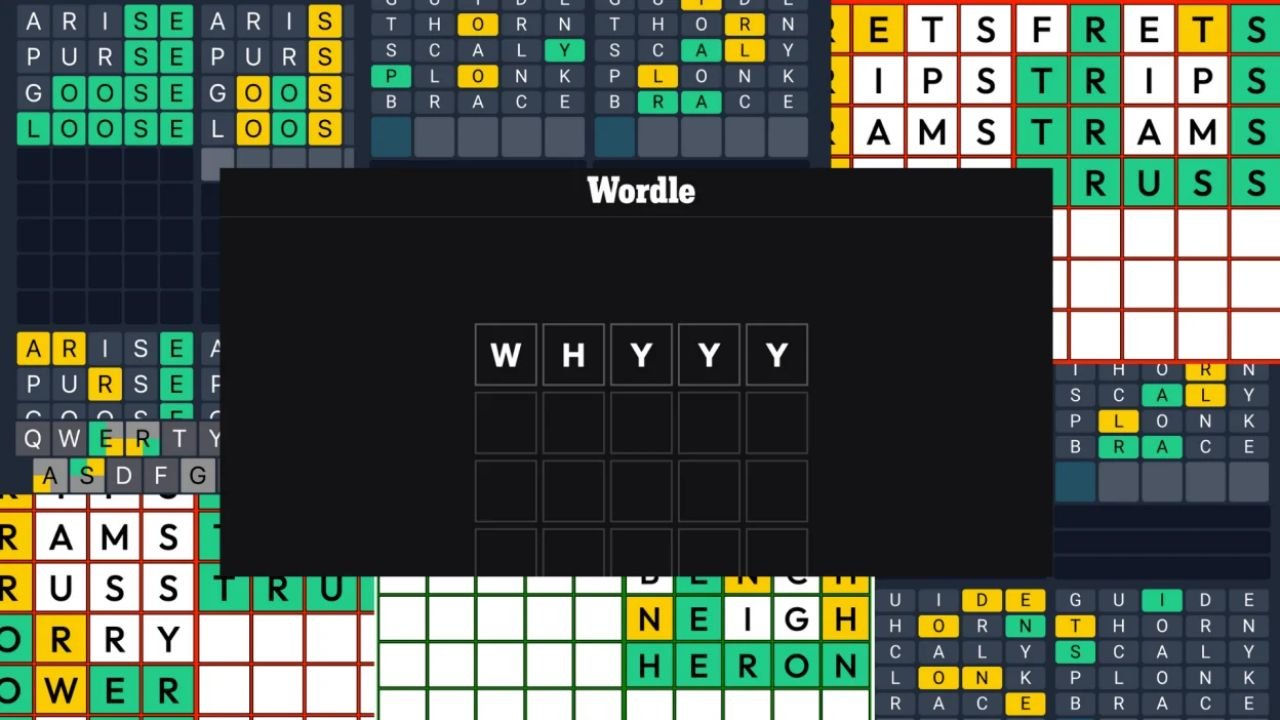
Wordle has become a popular daily word puzzle for players who enjoy testing their vocabulary and logic. The goal is simple: guess a hidden five-letter word in six attempts using green, yellow, and gray tile clues. Whether you play the official Wordle game from The New York Times or want to improve your Wordle strategy, understanding the rules and choosing a strong starting word can make each guess more useful.
If you’re looking for Wordle tips, the best starting words, or ways to solve today’s puzzle in fewer guesses, this guide covers the essentials. Learn how Wordle works, how to interpret letter clues, and how to use smart guessing strategies to improve your daily results.
Key Facts About the Daily Word Game
Wordle is a word puzzle created by software engineer Josh Wardle. Players enter five-letter words and use the resulting color clues to identify a hidden answer. The standard daily format gives everyone a shared puzzle to solve.
The game became widely popular in 2021 and was acquired by The New York Times in 2022. Its straightforward gameplay, short sessions, and shareable results helped establish Wordle as a familiar part of many players’ daily routines.
Wordle Game: Quick Facts and Basic Information
| Fact | Details |
| Game name | Wordle |
| Creator | Josh Wardle |
| Public release | October 2021 |
| Acquired by | The New York Times |
| Acquisition announced | January 2022 |
| Puzzle format | Five-letter word |
| Attempts | Six guesses |
| Game type | Word puzzle |
| Official platform | The New York Times Games website |
Wordle does not require an extensive tutorial. Players can start with a five-letter word, read the feedback, and use those clues to improve subsequent guesses. The challenge lies in choosing words that reveal useful information.
The Story Behind Wordle: From Personal Gift to Global Hit
Wordle began as a personal project rather than a commercial game. Josh Wardle created it for his partner, Palak Shah, who enjoyed word puzzles. He later shared the game publicly, allowing a much wider audience to experience it.
The puzzle attracted substantial attention in late 2021. In January 2022, The New York Times announced its acquisition of Wordle. The game subsequently became part of its collection of word and logic puzzles.
How Wordle Became a Worldwide Sensation
Wordle’s daily format helped distinguish it from games that encourage continuous play. Instead of offering an endless series of official daily answers, it gives players one shared puzzle to discuss and compare.
Social media contributed to its popularity. Players shared grids showing their results without displaying the answer itself. This allowed friends to compare their performance while preserving the challenge for anyone who had not played yet.
Wordle’s Simple, Browser-Based Playing Experience
Wordle’s interface centers on a grid, an input method, and color-coded feedback. Players do not need to understand complicated controls before starting, which makes the game approachable for people with different levels of experience.
The official game is available through The New York Times Games platform. Access arrangements and account requirements can change, so players should check the official website for current conditions rather than assume every feature is always available without restrictions.
How Wordle Influenced Modern Word Puzzle Games
Wordle’s popularity helped bring renewed attention to daily word puzzles. Numerous independent games adopted similar guessing mechanics, while others expanded the idea by introducing multiple answers, different grids, or alternative subjects.
Dordle and Octordle, for example, challenge players to solve multiple words. Although these games share elements with Wordle, they are separate experiences with their own rules. Players should check each game’s instructions before applying strategies from one version to another.
What Makes Wordle So Popular Among Daily Puzzle Fans?
Wordle combines a clear objective with a limited number of attempts. Players can learn the rules quickly, yet different answers create new problems that require fresh reasoning each day.
The game also balances deduction with uncertainty. A good opening word can reveal useful letters, but success depends on interpreting the feedback and selecting sensible follow-up guesses. That balance keeps the puzzle interesting without requiring a lengthy playing session.
One Word a Day: The Appeal of a Daily Wordle Challenge
The standard daily format gives players a single shared puzzle to solve. Once they finish, they can compare results or wait for the next daily challenge instead of immediately moving through another official answer.
This structure makes Wordle easy to fit into a routine. Some puzzles take only a few minutes, while less familiar letter combinations may require more thought. The daily limit also creates a natural reason to return without demanding hours of play.
Sharing Wordle Results and Building a Player Community
Wordle’s sharing feature lets players communicate their results using a grid of colored squares. The pattern shows how a player performed without directly revealing the solution, making it suitable for conversations with people who have not finished.
Friends can compare the number of guesses they needed and discuss their approaches. However, sharing results does not necessarily explain the reasoning behind a solution. Players who want to improve can learn more by discussing the actual letter choices and clues.
A Simple, Minimalist, and Accessible Word Game
Wordle keeps the main playing experience focused on letters, positions, and feedback. Its compact interface makes the objective clear without requiring players to learn a complicated set of controls.
That simplicity does not mean every puzzle is easy. An unfamiliar word or several similar candidates can make the final guesses difficult. The game rewards players who slow down, examine the evidence, and avoid treating each attempt as an unrelated guess.
Easy Wordle Rules but a Challenging Winning Strategy
The basic rules are straightforward: submit a valid five-letter word and interpret the resulting colors. The strategic challenge comes from using that feedback without wasting attempts on possibilities that have already been ruled out.
For example, a yellow letter must move to another position in a subsequent candidate. A green letter should remain in its confirmed position. Gray feedback can eliminate letters, although duplicate-letter situations require more careful interpretation.
The Personal Story Behind Wordle’s Success
Wordle’s beginnings as a personal gift offer a straightforward explanation of how the game originated. Josh Wardle developed the puzzle for his partner before releasing it publicly in 2021.
Its later acquisition by The New York Times marked a major change in the game’s distribution. Despite that transition, the central challenge remained recognizable: players still use a limited number of guesses to identify a hidden five-letter word.
How to Play Wordle: Rules and Step-by-Step Instructions
Start by entering any valid five-letter word accepted by the game. After you submit it, the tiles change color to show which letters match the answer and whether their positions are correct.
You have six guesses to find the solution. Each attempt should build on earlier information. Instead of selecting words at random, use the colors to narrow the possibilities and choose your next guess carefully.
Understanding the Basic Rules of Wordle
The goal is to identify the hidden five-letter answer in six attempts. A submitted guess must be accepted by the game’s word list, but an accepted guess is not necessarily the daily solution.
Wordle provides three main color signals. Green means the letter is correct and correctly positioned. Yellow means the letter appears in the answer but occupies a different position. Gray indicates that the letter is absent or that the answer contains fewer copies than the guess.
What Do Green, Yellow, and Gray Wordle Tiles Mean?
Green: The letter matches the answer in that exact position. Keep it fixed when considering your next guess.
Yellow: The letter appears in the answer but belongs in another position. Test a different location while respecting any green letters already confirmed.
Gray: The letter generally does not appear in the answer. However, when a guess repeats a letter, the color feedback can also indicate that the answer contains fewer copies than the guess.
These distinctions matter because Wordle evaluates both letter identity and letter frequency. Reading every tile together gives you a more accurate picture than treating each color as an isolated clue.
Step-by-Step Guide to Solving the Wordle Puzzle
Begin with a five-letter word containing useful letters. Once the feedback appears, identify the green positions, mark yellow letters for repositioning, and note which gray letters can be eliminated.
For your next guess, combine the confirmed information with new letters where possible. Before submitting, check that the word respects all previous clues. Repeat this process until you solve the puzzle or use your six available attempts.
Choosing Your First Wordle Starting Word
A useful starting word tests several common letters without relying on an unusual spelling. CRANE, SLATE, and STARE are popular options because they combine frequently used consonants with vowels.
AUDIO is another common choice because it tests four standard vowels. However, testing vowels alone may leave important consonants undiscovered. There is no universally guaranteed winning starter; the best option depends on how much useful information it reveals and how you use that information afterward.
Narrowing Down Possible Wordle Answers
After a few guesses, combine the known letters with their confirmed or possible positions. If A is yellow in the second position, for example, your next candidate must place A somewhere else while preserving any green letters.
Think about common letter combinations and plausible word patterns. Nevertheless, avoid choosing a candidate solely because it looks familiar. Check every position against the clues, and remember that repeated letters can complicate otherwise promising patterns.
A Sample Wordle Game: From the First Guess to the Answer
Consider a hypothetical puzzle with LIGHT as its answer. A player begins with SOARE, which tests several letters. In this example, all five letters are absent from the hidden word, providing useful elimination clues.
The player then tries UNTIL and receives feedback identifying letters that appear in LIGHT. By examining the positions and testing the remaining possibilities, the player can work toward the solution. The example illustrates how successive guesses should build on earlier evidence.
Best Wordle Tips and Strategies for Beginners
Good Wordle strategy focuses on gaining information, not simply submitting familiar words. Every guess should either test a promising answer or help distinguish between several remaining candidates.
Beginners can improve by recording useful clues mentally, checking positions before submitting, and avoiding repeated mistakes. These habits will not guarantee a daily win, but they make the guessing process more systematic and easier to evaluate.
Check Your Guess Before Pressing Enter
Before submitting a word, compare it with the clues from previous guesses. Make sure it preserves green letters, moves yellow letters to different positions, and avoids eliminated letters unless duplicate-letter feedback justifies another occurrence.
This quick review is particularly valuable when only one or two guesses remain. A candidate that looks plausible may still contradict the available evidence. Checking first helps prevent avoidable errors and keeps the remaining attempts available for stronger options.
Choose Strong Wordle Starting Words
CRANE, SLATE, STARE, and AUDIO are reasonable starting words to consider. They test different combinations of vowels and consonants, helping players learn which letters might appear in the answer.
However, the opening guess is only the beginning. Once the tiles appear, adapt your next word to the actual feedback. Repeating the same sequence of guesses regardless of the colors wastes information that could help you solve the current puzzle.
Use the Letter Y When Common Vowels Fail
Y can function like a vowel in English, so it may help when A, E, I, O, and U have provided little useful information. Words such as FUNNY and NYMPH demonstrate different placements of the letter.
Still, do not add Y without considering the pattern. Review the confirmed letters, available positions, and plausible words first. Y is a useful option when the evidence supports it, not a universal solution for difficult puzzles.
Eliminate Gray Letters and Filter Remaining Options
Gray letters help reduce the number of possible answers. When a letter has been ruled out, avoid including it in another guess unless repeated-letter feedback leaves uncertainty about its presence.
Reviewing eliminated letters after every attempt keeps your reasoning organized. Rather than searching through the entire English vocabulary, concentrate on candidates that satisfy the known positions and letter restrictions. This makes it easier to recognize promising solutions.
Watch for Repeated Letters in Wordle Answers
Some Wordle answers contain repeated letters. A player who assumes every letter appears only once may overlook valid solutions or misread the color feedback.
For example, a guess may contain two copies of a letter when the answer contains only one. Wordle accounts for letter frequency, so both copies will not necessarily receive matching green or yellow signals. Consider repeated letters whenever the feedback seems inconsistent with an otherwise likely word.
Test Unusual Letters When Common Choices Fail
Letters such as Q, X, Z, and J occur less frequently in ordinary English words than many common consonants. Nevertheless, they may become relevant when the remaining candidates suggest them.
Do not test rare letters simply because common ones have failed. Instead, consider whether a valid word containing the letter fits the known pattern. Unusual letters are useful when they help distinguish plausible candidates, not when they introduce unnecessary uncertainty.
Use a Burner Word to Eliminate Multiple Possibilities
A burner word is a guess chosen mainly to test letters rather than immediately solve the puzzle. It can help when several candidate answers share a pattern but differ in their other letters.
Suppose multiple possibilities remain after your fourth guess. A word containing several untested letters may reveal which candidates are worth considering. However, this approach carries a trade-off: an information-gathering guess uses one of your six attempts without necessarily solving the puzzle.
Take a Short Break When You Get Stuck
If the same possibilities keep coming to mind, step away briefly when your remaining time allows. Returning to the grid with fresh attention may help you notice a letter combination that you previously overlooked.
Before taking a break, retain the useful clues from your earlier attempts. When you return, review the confirmed positions and eliminate impossible candidates. A different perspective can help, although the key remains logical reasoning rather than relying on a break alone.
Wordle Solver, Unlimited Practice, and Other Ways to Play
Players can continue practicing through alternative word games or use a solver to check which candidates fit a particular set of clues. These options are useful for learning, especially when repeated attempts reveal gaps in a player’s reasoning.
Remember that alternative versions may use different rules or word lists. A strategy that works in one game might not apply perfectly to another, so check the instructions for the specific version you choose.
Wordle Solver: Find Possible Answers Using Letter Clues
A Wordle Solver helps identify words that match entered clues. Depending on the tool, players can specify green positions, yellow letters, and eliminated characters to narrow the list of possible answers.
A solver is most useful when you enter the feedback accurately. Incorrect settings can remove the correct candidate or produce misleading results. To improve your skills, consider checking the suggested words against your own reasoning instead of relying on the tool automatically.
Wordle Unlimited: Practice With Unlimited Word Puzzles
Wordle Unlimited-style games allow players to attempt additional puzzles rather than waiting for the next official daily challenge. They can provide more opportunities to practice opening words, letter placement, and deduction.
These versions are separate from the official New York Times game and may use different answer lists or rules. Consequently, a solution in an alternative version should not be assumed to match the official daily answer.
Wordle UK: Explore Regional Word Game Options
People searching for Wordle UK may be looking for a regional version or a word game that accepts British spelling. Before playing, check whether the website offers an official regional edition or an independently operated alternative.
Spelling differences can affect which candidates seem plausible. The New York Times version follows its own accepted word list, so players should rely on the rules of the game they are actually using rather than assume every British or American spelling will be accepted.
Dordle, Octordle, and Other Wordle Alternatives
Dordle asks players to solve two words, while Octordle presents eight word puzzles. Both increase the challenge by requiring players to manage feedback across multiple answers.
Other alternatives include Centordle and Worldle, which offer different puzzle experiences. Their rules and objectives are not identical to Wordle’s. Read each game’s instructions before applying familiar strategies, particularly when the alternative uses a different format or subject.
Conclusion
Wordle turns a simple five-letter puzzle into a daily exercise in deduction. Understanding tile colors, choosing useful starting words, and checking every guess against previous clues can help you make better decisions. Repeated letters and unusual patterns require extra attention, but careful reasoning keeps the process manageable. A solver or alternative practice game can provide additional experience when needed. Still, the most valuable habit is learning from the feedback yourself. Start with a sensible word, use each clue, and avoid repeating mistakes. With practice, you can approach each new puzzle more confidently without expecting every game to end in a win.
Frequently Asked Questions
What is Wordle and how do you play it?
Wordle is a daily word puzzle in which you must guess a hidden five-letter English word within six attempts. Enter a valid word, then use the green, yellow, and gray tiles to guide your next guess. Each attempt provides clues that help narrow down the possible answer.
What do the green, yellow, and gray tiles mean in Wordle?
Green means a letter is correct and in the right position. Yellow means the letter appears in the answer but belongs somewhere else. Gray generally means the letter is absent, although repeated letters can affect the feedback. Use all three colors together to eliminate incorrect options and identify likely answers.
What is the best starting word for Wordle?
CRANE, SLATE, and STARE are popular starting words because they test several common English letters. AUDIO is another option because it checks four standard vowels. No single starting word guarantees a win. Choose a word that reveals useful information, then adapt your next guess to the tile colors.
Is the Wordle answer the same for everyone?
The official daily Wordle provides the same puzzle to players worldwide for a given puzzle date. This shared answer lets players compare results without needing to play separate daily challenges. However, independently operated Wordle-style games may use different word lists, rules, or answers, so their solutions might not match the official puzzle.
How can you improve your Wordle strategy?
Start with a word that tests useful letters, then study the feedback before submitting another guess. Keep green letters in their confirmed positions, move yellow letters, and avoid eliminated letters. Watch for repeated letters and consider a burner word when several candidates remain. Practice helps you recognize patterns more efficiently.

I’m Asma, founder of namessaaga.com, passionate about helping brands and startups discover unique, creative, and memorable names that stand out.