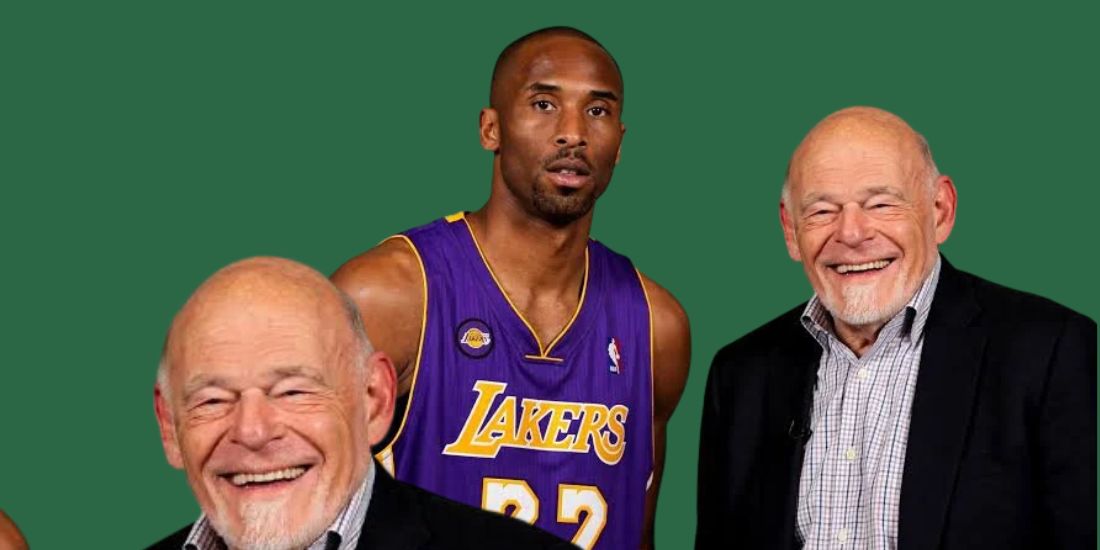
Many readers search for Kobe Bryant and Sam Zell together because their stories show two very different routes to wealth. One man built fame on a basketball court, while the other built power in boardrooms and property markets in America.
Meanwhile, both men understood discipline, timing, and long term thinking better than most of their rivals. Their careers also answer a simple visitor question: can success in one field turn into lasting business success in another field?
Who Was Kobe Bryant?
Kobe Bryant was an American professional basketball player best known for his legendary career with the Los Angeles Lakers. Born on August 23, 1978, in Philadelphia, Pennsylvania, he entered the NBA directly from high school in 1996.
For two decades, he shaped NBA history through scoring, defence, and relentless practice. Fans still remember his work ethic, his late game focus, and his famous Mamba Mentality approach to improvement, inspiring young players worldwide.
A Complete Clothing Style Lwspeakstyle Guide: Modern Fashion Trends 2026
Kobe Bryant Early Years and Lakers Rise
Young Kobe grew up around basketball because his father played professionally and later worked in Italy. That early exposure gave him footwork, confidence, and a global view of the game before he reached America again.
Subsequently, the Lakers became his only NBA team, and he grew from a teenage guard into a franchise leader. Coaches trusted his preparation, teammates respected his standards, and rivals feared his scoring in important moments.
Kobe Bryant Championships and Playing Style
Bryant won five NBA championships in 2000, 2001, 2002, 2009, and 2010, and he earned the NBA Most Valuable Player award in 2008. He also collected two NBA Finals MVP awards and 18 NBA All-Star selections during his career.
In addition, he scored 33,643 regular season points through skill, footwork, and mental toughness. His competitive mindset helped him attack defences, create shots, and deliver strong performances when games mattered most with confidence and control.
Who Was Sam Zell?
Sam Zell was an American billionaire investor and entrepreneur known for his powerful role in commercial real estate. Born in Chicago in 1941, he developed a strong interest in property while studying at the University of Michigan.
Early on, he managed student housing in Michigan and learned how rent, costs, and tenants shape a property business. That practical start gave him a clear edge over investors who only studied numbers on paper.
Sam Zell Early Property Lessons
Zell learned quickly that price alone does not make a good deal, because management, location, and cash flow matter just as much. He bought assets other investors ignored, fixed their problems, and waited patiently for value to return.
Furthermore, his Polish refugee parents had shown him resilience, risk, and hard work from an early age. That background shaped his direct style, his humour, and his willingness to act when others stayed cautious in business.
Sam Zell and the Rise of Modern REITs
Zell helped popularize the modern real estate investment trust, known as a REIT, during the 1990s. A REIT lets ordinary investors own a share of income producing property through a public company, without buying a whole building.
Consequently, his work changed how America financed apartments, offices, and other large properties. Investors gained liquidity, developers gained capital, and property ownership became more open, professional, and widely accessible, for everyday investors and large institutions alike.
Kobe Bryant’s Net Worth and Sources of Wealth
Reports put Kobe Bryant net worth at about $600 million at his death in 2020, according to Forbes. That figure reflects salary, endorsements, investments, and creative work, not one single source of income alone across his entire career.
However, readers should separate lifetime earnings from net worth, because taxes, fees, expenses, and investments change the final result. His story still shows how a star can turn fame into lasting business value over many years.
NBA Salary and Endorsement Deals
Bryant earned about $323 million in NBA salary across 20 seasons with the Lakers, one of the highest totals of his era. His final season salary reached $25 million, and he remained the league highest paid player in several seasons.
Meanwhile, endorsements added an estimated $350 million, taking combined salary and endorsement earnings close to $680 million before taxes. His Nike partnership, signature shoes, and global campaigns made him a major global sports personality around the world.
Dakota Tyler Age 2026: Bio, Career, Net Worth and Facts
Business Investments and Entrepreneurship
Bryant took business seriously long before retirement, and he studied companies with the same focus he gave to basketball. In 2013, he partnered with Jeff Stibel to create Bryant Stibel, a venture capital firm for technology, media, and data companies.
The firm also backed emerging companies and creative projects, including names linked to technology and entertainment across several fast growing sectors. That move showed his shift from athlete endorser to active investor with real decisions and risk.
Kobe Bryant BodyArmor and Brand Growth
One famous Kobe Bryant business venture was BodyArmor, a sports drink company he backed with about $6 million in 2014. By 2018, reports estimated his stake at around $200 million after Coca-Cola took a minority interest.
Later, Coca-Cola bought BodyArmor outright in 2021 in a deal valuing the company at $5.6 billion. Reports put proceeds to his estate at around $400 million, making it one of the strongest athlete investments on record.
Sam Zell’s Net Worth and Investment Strategy
Forbes put Sam Zell net worth at $5.2 billion in April 2023, shortly before his death on May 18, 2023. He built that fortune over decades, not through fame, but through ownership, patience, and smart deals.
His Sam Zell investment strategy centred on undervalued assets, troubled companies, and properties with fixable problems. He carefully checked cash flow, management quality, financing, and market conditions before he committed serious capital in every deal.
Real Estate Investments and Equity Group Investments
Zell founded Equity Group Investments in 1968, and it became the main vehicle for his deals. Through that private investment firm, he invested in real estate plus healthcare, manufacturing, logistics, energy, and other industries across America and beyond.
Moreover, he built major public companies such as Equity Residential, an apartment REIT, and Equity LifeStyle Properties, focused on manufactured home communities. He also led Equity Commonwealth, a company linked to commercial office real estate.
The Equity Office Properties Deal
The most famous deal in the Sam Zell empire was the sale of Equity Office Properties Trust to Blackstone in 2007. Valued at $39 billion, it ranked among the largest real estate deals and leveraged buyouts of its time.
Therefore, the deal teaches a clear lesson about exit timing, because selling at the right moment can matter as much as buying well. Within a year, property markets weakened sharply, and that timing protected much of the value created.
Sam Zell Risk, Timing and the Tribune Lesson
Not every Zell deal worked, and his $8.2 billion Tribune takeover in 2007 showed the danger of heavy debt. Advertising revenue fell during the financial crisis, Tribune entered bankruptcy protection, and Zell later called it a deal from hell.
Nevertheless, that failure sharpened his core lesson for investors: check debt, test downside cases, and respect market cycles. Even bold investors need serious limits in business, because one bad structure can erase gains from many good decisions.
Kobe Bryant and Sam Zell: Comparing Their Wealth-Building Approaches
Kobe Bryant and Sam Zell worked in different industries, yet both built strong identities, useful networks, and value outside their first jobs. Bryant used fame, relationships, and consumer brands, while Zell used property knowledge, corporate leadership, and long experience.
Similarly, both men researched deeply, waited patiently, and made difficult decisions when others hesitated. Their paths prove that wealth creation has no single real formula in business and in life, even for people at the very top.
Kobe Bryant and Sam Zell Leadership Styles Compared
Here lies a genuine insight: Bryant compressed time, while Zell stretched it, yet both won through careful preparation. Bryant treated business like practice, with repetition, film study, detail, and daily improvement under pressure and relentless focus every day.
Conversely, Zell treated business like a building inspection, walking the asset, checking numbers, and waiting for price. One leader chased speed and mastery, the other chased value and timing, and both styles still teach modern founders.
What Can Entrepreneurs Learn From Kobe Bryant and Sam Zell?
Entrepreneurs can learn most from Kobe Bryant and Sam Zell by copying their habits, not their industries. Both men built skills first, accepted risk with research, and planned for a future beyond one good year.
Furthermore, their stories reward readers who want practical lessons, not slogans, because each lesson links to a real decision. The next three sections turn those decisions into clear, usable guidance for eager new founders in business today.
Build Skills Before Chasing Opportunities
Bryant spent years refining footwork, shooting, and defence before he chased business deals with confidence through daily practice and coaching. Zell spent decades learning property, tenants, financing, and management before he led large public companies.
As a result, new entrepreneurs should learn their market, customers, and common risks before committing large money in business. Skills also transfer well, because discipline, analysis, and judgement work across sports, property, and technology today, with real risks.
Take Calculated Risks
Bryant invested in young companies whose growth was never guaranteed, and he accepted possible losses with open eyes. Zell bought distressed assets and troubled businesses that many investors avoided because they feared complexity and bad headlines.
However, a calculated risk still needs research, a clear reason, realistic expectations, and a backup plan. Entrepreneurs should balance ambition with preparation in business, so one setback does not destroy the entire business or personal finances.
Think Beyond Immediate Success
Bryant prepared for life after basketball before retirement, through investing, media, and storytelling work in sports and business. Zell built companies and structures designed to manage assets, serve investors, and pursue deals long after one transaction ended.
Ultimately, resilience comes from long term thinking and diversification, not dependence on one customer or income source. Founders should therefore build systems, teams, and brands that can survive change, injury, market shifts, and tough years.
The Lasting Legacies of Kobe Bryant and Sam Zell
Kobe Bryant and Sam Zell lasting legacies reach far beyond money, trophies, or deal totals alone. Bryant inspired athletes through discipline and creativity, while Zell influenced how investors own, finance, and manage large property portfolios.
Together, they show that legacy means influence on people, ideas, and institutions, not just personal wealth. Their work still guides athletes, investors, and founders today who want to build something meaningful and durable for future generations with real influence.
Kobe Bryant Legacy in Culture and Youth Sport
Bryant founded Granity Studios, a multimedia company focused on storytelling, sports, and personal development for young audiences everywhere. His short film Dear Basketball won the prestigious Academy Award for Best Animated Short Film in 2018 in Hollywood.
In addition, his family foundation has supported education and programs for young people and families. Young athletes still study his practice habits, while many creators still learn from his move from sport into film around the world.
Sam Zell Legacy in Real Estate and Investing
Zell left a major mark through Equity Residential, Equity Commonwealth, and the modern REIT system he helped build. His companies showed investors how to own apartments and offices through public markets with professional management across America.
Moreover, his nickname, Grave Dancer, captured his skill at reviving troubled properties others had written off. His 2017 book, Am I Being Too Subtle, still shares direct lessons on risk, timing, and business judgement for modern investors.
Frequently Asked Questions About Kobe Bryant and Sam Zell
Visitors often ask direct questions about Kobe Bryant and Sam Zell, because their pairing looks unusual at first glance. The short answers below give clear facts first, so readers can understand each career without confusion.
Furthermore, these answers use the same figures and companies covered above, which keeps the whole article consistent. Readers today who want deeper detail can return to the relevant career section for full context and explanation.
Were Kobe Bryant and Sam Zell business partners?
No, Kobe Bryant and Sam Zell never worked as business partners. They built careers in separate industries, basketball and real estate, without documented joint venture.
How did Kobe Bryant make his money?
Kobe Bryant earned money from Lakers salary, Nike endorsements, and investments. His BodyArmor stake, Bryant Stibel fund, and Granity Studios added major income beyond basketball.
How did Sam Zell become wealthy?
Sam Zell became wealthy by buying undervalued real estate, improving properties, and building REITs. His Equity Group Investments and $39 billion Blackstone deal created wealth.
What was Sam Zell best known for?
Sam Zell was best known for popularizing REITs and buying distressed assets. He built Equity Residential and Equity Office Properties into public real estate companies.
What made Kobe Bryant successful outside basketball?
Kobe Bryant succeeded outside basketball through discipline, learning, and strong partners. He used his fame wisely, backed technology companies, and built stories through Granity Studios.
Conclusion
Modern Kobe Bryant and Sam Zell prove that wealth follows skill, patience, and clear decisions rather than luck alone. Bryant turned court discipline into smart investments, strong brands, and creative work that still inspires many young athletes today. Zell turned property knowledge into patient deals, public companies, and a modern real estate system that still shapes investing. Their paths differed in industry, speed, and style, yet both men built value beyond one job, one deal, or one season. Readers can apply the same lesson today by learning deeply, taking thoughtful risks, and building something that lasts longer than immediate success.

I’m Asma, founder of namessaaga.com, passionate about helping brands and startups discover unique, creative, and memorable names that stand out.










1 thought on “Kobe Bryant and Sam Zell: Their Wealth, Careers, and Business Legacies”