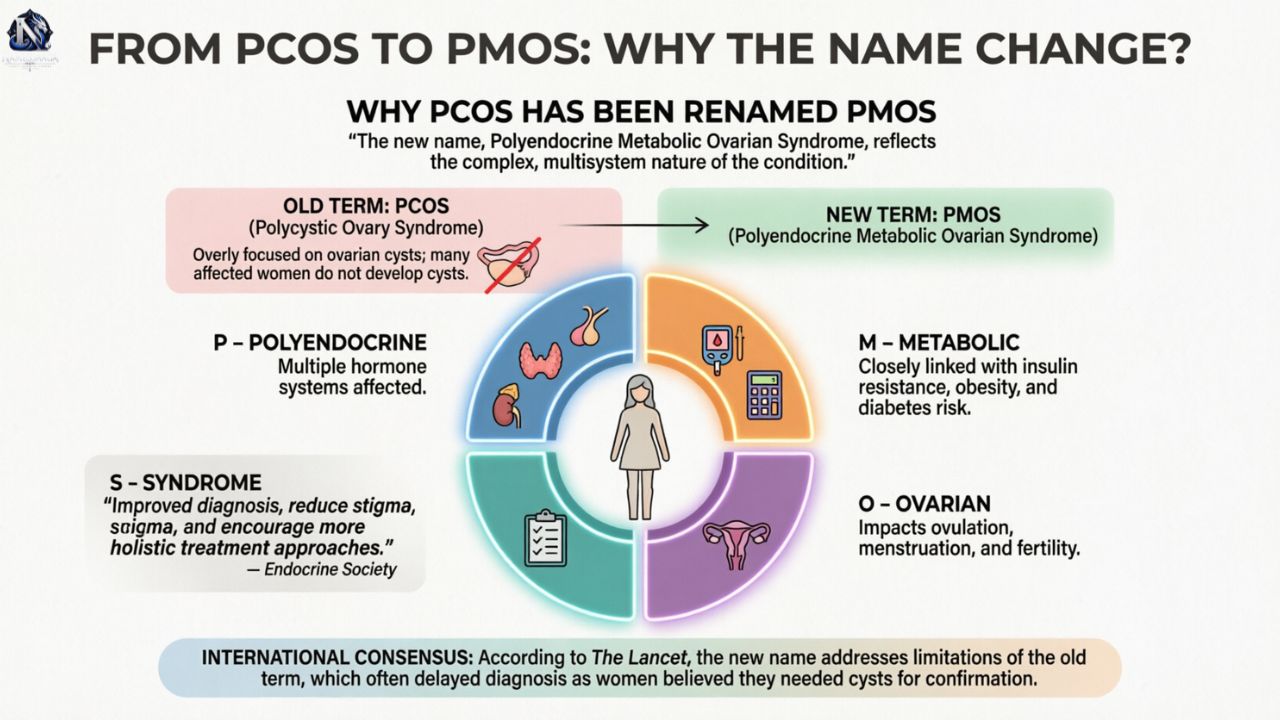
PCOS name change to PMOS, you may be wondering what changed and whether it affects your diagnosis or treatment. Polyendocrine metabolic ovarian syndrome reflects a broader understanding of the condition, including insulin resistance, androgen activity, ovulatory dysfunction, and metabolic health.
The new terminology can feel confusing, especially if you have lived with a PCOS diagnosis for years. This guide explains why the name changed, what PMOS symptoms can look like, how endocrine and metabolic systems are connected, and what the updated terminology may mean for women discussing diagnosis and care with healthcare providers.
What Is PCOS?
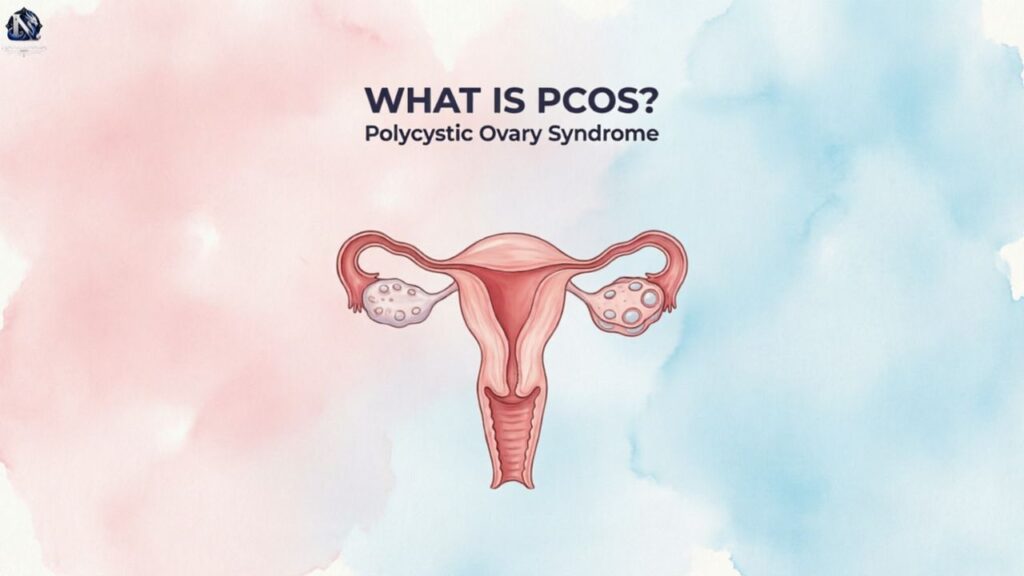
- PCOS, or polycystic ovary syndrome, is a hormonal and metabolic condition associated with ovulatory dysfunction, androgen activity, irregular periods, and insulin resistance.
- Symptoms can vary between women and may include acne, excess facial hair, scalp hair thinning, weight changes, and difficulty conceiving. A healthcare professional evaluates the overall pattern rather than one symptom alone.
Why Was PCOS Renamed to PMOS?
The PCOS name change to PMOS reflects a broader understanding of the condition, including endocrine disruption, insulin resistance, androgen activity, and ovulatory dysfunction.
The term polycystic ovary syndrome focused too heavily on the ovaries, while the new name highlights the metabolic and hormonal systems involved in the condition.
What Is PMOS? Understanding the New Name
- PMOS stands for polyendocrine metabolic ovarian syndrome, describing interconnected hormonal, metabolic, and reproductive changes rather than focusing only on ovarian follicles.
- The new terminology highlights insulin resistance, androgen activity, ovulatory dysfunction, and metabolic health, giving patients and clinicians a broader view of the condition.
Polyendocrine (More than one hormonal system is involved)
PMOS involves interconnected endocrine pathways, including insulin, androgens, testosterone, and neuroendocrine hormones, which can influence periods, fertility, metabolism, and other body functions.
Metabolic (Insulin resistance is central, not peripheral)
Insulin resistance plays a central role in PMOS. Elevated insulin can affect ovarian hormone production, increase androgen activity, and contribute to blood sugar and metabolic changes.
Ovarian (The ovaries are still part of the picture)
The ovaries remain important in PMOS, particularly through ovulatory dysfunction, irregular periods, and reproductive health, but they are not considered the sole source of the condition.
Ovarian follicles may appear differently on ultrasound, yet an ovarian scan is not always required for clinical assessment or understanding the broader hormonal pattern.
Read More : What Does FAFO Mean? Meaning, Origin, and How It’s Used
PMOS Symptoms (What to Watch For)
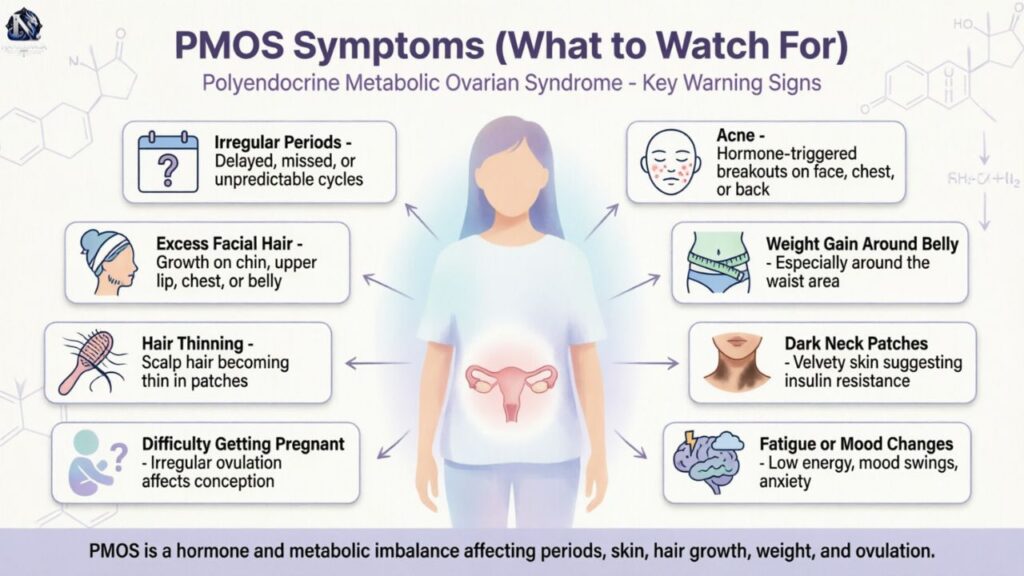
- Menstrual and reproductive changes: irregular periods, infrequent ovulation, absent periods, or difficulty conceiving can signal reproductive involvement.
- Metabolic changes: weight gain, abdominal weight changes, fatigue, blood sugar irregularities, and insulin resistance may occur.
- Androgen-related signs: excess facial or body hair, hormonal acne, elevated androgen levels, or scalp hair thinning can appear.
- Cardiovascular markers: high blood pressure, elevated cholesterol, and triglycerides may require ongoing monitoring.
- Mental health effects: anxiety, depression, and low self-esteem can accompany the condition.
Menstrual and reproductive symptoms
- Irregular or absent periods, infrequent ovulation, and difficulty conceiving can reflect reproductive changes associated with PMOS and may affect fertility and pregnancy planning.
Metabolic symptoms
- Insulin resistance, unexplained weight gain, abdominal weight gain, fatigue, and blood sugar irregularities can reflect metabolic changes and increase long-term type 2 diabetes risk.
Androgen-related symptoms
- Excess facial or body hair, hormonal acne, scalp hair thinning, and elevated androgen levels may reflect increased testosterone activity associated with PMOS.
Cardiovascular markers
- High blood pressure, elevated cholesterol, and triglycerides are important metabolic and cardiovascular markers that may require regular monitoring as part of long-term health care.
Psychological symptoms
- Anxiety, depression, and low self-esteem can occur alongside PMOS and may reflect the condition’s broader hormonal, metabolic, and neurological effects.
How Is PMOS Treated? Current and Emerging Options
- Treatment is individualized and may address insulin resistance, menstrual irregularity, androgen-related symptoms, fertility goals, metabolic health, and overall well-being.
- Options can include metformin, hormonal contraceptives, androgen-blocking medicines, lifestyle changes, and emerging GLP-1 receptor agonists under medical guidance.
| Heading | Description |
| Insulin Sensitisers | Metformin may help improve insulin sensitivity and address metabolic changes associated with PMOS, particularly when insulin resistance is a significant concern. |
| Androgen-blocking medications | These medicines can reduce the effects of androgens and may help manage excess facial or body hair, hormonal acne, and other androgen-related symptoms. |
Hormonal contraceptives
- Hormonal birth control may help regulate irregular periods and reduce androgen-related symptoms for women who are not trying to conceive.
Lifestyle approaches
- Regular movement, balanced nutrition, anti-inflammatory eating patterns, and consistent sleep can support insulin sensitivity, metabolic health, and overall hormonal well-being.
Emerging options: GLP-1 receptor agonists
- GLP-1 receptor agonists such as semaglutide are being studied for metabolic health and may become an emerging option for women with PMOS.
What Does the PCOS Name Change to PMOS Mean for Patients?
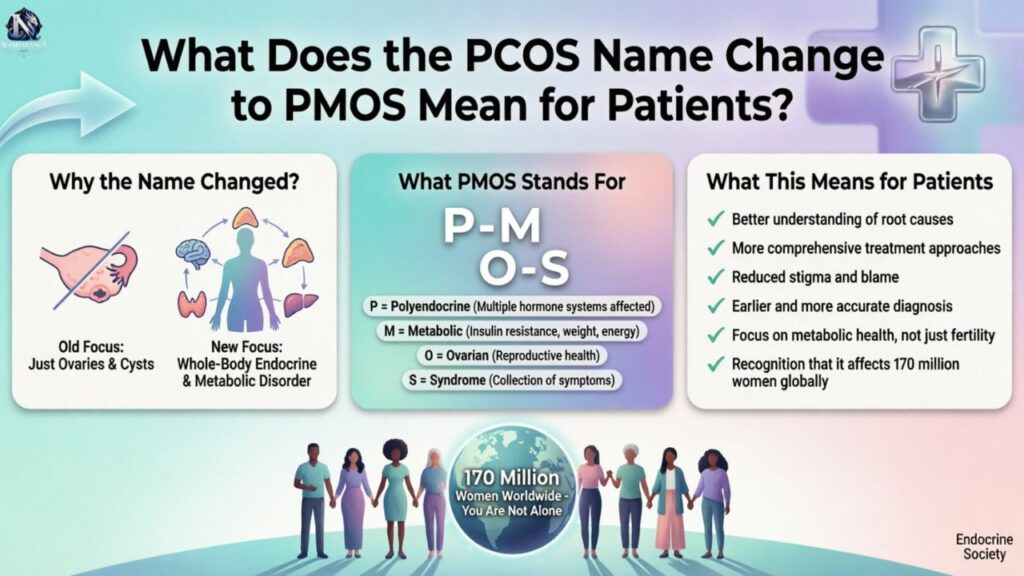
The PCOS to PMOS name change gives patients a broader explanation of the condition, emphasizing metabolic health, endocrine function, insulin resistance, and ovarian function rather than ovarian follicles alone.
For patients, the terminology may change gradually across medical records, research, diagnosis, and clinical conversations, while existing symptoms, treatment needs, and healthcare decisions still require individualized medical guidance.
Is PCOS and PMOS the Same Condition?
PCOS and PMOS refer to the same underlying condition, with PMOS providing updated terminology that better reflects its endocrine, metabolic, and ovarian features.
The newer name emphasizes insulin resistance, androgen activity, ovulatory dysfunction, and metabolic health, while PCOS remains widely recognized in existing medical information and patient records.
What If I Was Told I Don’t Have Ovarian Cysts?
- No ovarian cysts does not necessarily rule out PMOS. The condition involves endocrine, metabolic, and reproductive factors, including ovulatory dysfunction and androgen activity.
- An ovarian ultrasound is not always required for clinical assessment. A healthcare professional may consider menstrual patterns, symptoms, hormone levels, and metabolic health together.
When Should You Talk to a Doctor About PMOS Symptoms?
- Consider speaking with a healthcare professional if you have irregular or absent periods, difficulty conceiving, excess facial hair, hormonal acne, unexplained weight changes, persistent fatigue, or blood sugar concerns.
- Medical evaluation can help connect reproductive, hormonal, and metabolic symptoms and determine whether further testing, monitoring, or treatment is appropriate.
Read More : What Does Sigma Meaning in Slang and Social Media?
Frequently Asked Questions
What is the PCOS name change to PMOS in 2026?
The PCOS name change to PMOS introduces terminology emphasizing endocrine, metabolic, and ovarian factors underlying the condition.
Why was PCOS renamed PMOS?
PCOS was renamed PMOS because the older term emphasized ovarian follicles while overlooking important metabolic and hormonal factors.
Is PCOS the same as PMOS?
Yes, PCOS and PMOS refer to the same underlying condition, while PMOS provides updated terminology describing its broader biological features.
What does PMOS stand for?
PMOS stands for polyendocrine metabolic ovarian syndrome, highlighting interconnected endocrine, metabolic, hormonal, and reproductive processes.
What are the symptoms of PMOS?
PMOS symptoms may include irregular periods, insulin resistance, excess hair, hormonal acne, weight changes, elevated androgens, and metabolic concerns.
Can you have PMOS without ovarian cysts?
Yes, PMOS can occur without visible ovarian cysts, because diagnosis considers symptoms, ovulation, hormones, and metabolic factors.
How is PMOS treated?
PMOS treatment may include metformin, hormonal contraceptives, androgen-blocking medicines, lifestyle approaches, and individualized medical care.
When should I see a doctor about PMOS?
Talk with a healthcare professional about persistent PMOS symptoms such as irregular periods, fertility concerns, metabolic changes, or androgen-related signs.
Conclusion
The PCOS name change to PMOS reflects a broader understanding of the condition. The new term highlights how endocrine, metabolic, and ovarian factors can work together, including insulin resistance, androgen activity, and ovulatory dysfunction. For women who have lived with a PCOS diagnosis, the terminology may change, but their symptoms and need for appropriate care remain important.
PMOS also encourages a more complete view of health beyond ovarian findings. If you have irregular periods, fertility concerns, hormonal acne, excess hair, unexplained weight changes, or metabolic symptoms, talk with a qualified healthcare professional. Understanding the PCOS to PMOS terminology can help you ask better questions and discuss appropriate evaluation, monitoring, and treatment with your care team.

I’m Asma, founder of namessaaga.com, passionate about helping brands and startups discover unique, creative, and memorable names that stand out.